

AI is not failing because of weak technology. It’s failing because of weak decisions.
Many companies invest heavily in artificial intelligence. They hire teams, buy tools, and build models. Yet the results often disappoint. Projects stall. Risks grow. Value stays unclear.
The real issue is simple: AI transformation is a problem of governance.
If leadership does not guide AI properly, even the best technology will struggle. Let’s break down what this means and why it matters.
What Does “AI Transformation” Really Mean?
AI transformation is not just adding automation or chatbots.
It means changing how a business works:
- How decisions are made
- How data is used
- How teams operate
- How risks are managed
It affects the entire organization, not just the tech team.
This is where many companies go wrong. They treat AI as a tool instead of a system-wide shift.
Why AI Transformation Is a Governance Problem
Governance is about control, direction, and accountability.
When AI enters a business, it creates new questions:
- Who is responsible for AI decisions?
- How is data being used?
- What risks are acceptable?
- How do we measure success?
Without clear answers, chaos starts to build.
AI systems don’t just follow instructions. They learn, adapt, and sometimes behave in unexpected ways. That makes governance essential.
The Hidden Risks of Poor AI Governance
Companies often rush into AI without strong oversight. That leads to problems that are easy to miss at first but costly later.
1. Unclear Decision-Making
If no one owns AI decisions, mistakes multiply.
Teams may deploy models without proper checks. Different departments may use AI in conflicting ways. Over time, this creates confusion and weak results.
2. Data Misuse
AI depends on data. But not all data should be used freely.
Without governance:
- Sensitive data can be exposed
- Bias can enter models
- Compliance rules can be broken
This can damage trust and even lead to legal trouble.
3. Lack of Accountability
When AI makes a wrong decision, who is responsible?
Without governance, the answer is often unclear. That’s dangerous. It leads to delays, blame-shifting, and poor recovery from mistakes.
4. Scaling Problems
A pilot AI project might work fine. But scaling it across the business is harder.
Without structure:
- Systems don’t integrate
- Teams don’t align
- Costs increase without clear returns
Why Technology Alone Can’t Solve This
Many leaders assume better tools will fix AI challenges.
That’s not true.
Even the most advanced models need:
- Clear policies
- Defined roles
- Strong oversight
Think of AI like a powerful engine. Without steering and brakes, it won’t take you far safely.
The Core Elements of Strong AI Governance
If AI transformation is a governance problem, then the solution is better governance.
Here are the key areas that matter most.
Clear Leadership Ownership – AI Transformation Is a Problem of Governance
Someone must own AI at the top level.
This could be a Chief AI Officer or a similar role. What matters is clarity. Without leadership ownership, AI efforts become scattered.
Defined Policies and Rules – AI Transformation Is a Problem of Governance
Companies need clear guidelines on:
- How AI can be used
- What data is allowed
- What risks are acceptable
These rules should be simple, practical, and enforced.
Cross-Team Alignment – AI Transformation Is a Problem of Governance
AI touches multiple departments.
Governance should ensure that:
- Teams share data properly
- Goals are aligned
- Efforts are not duplicated
Without alignment, AI becomes fragmented.
Risk Management Framework – AI Transformation Is a Problem of Governance
AI introduces new risks, including:
- Bias
- Security threats
- Wrong predictions
A governance system must identify and manage these risks early.
Continuous Monitoring – AI Transformation Is a Problem of Governance
AI systems change over time.
Governance should include ongoing checks:
- Are models still accurate?
- Are outcomes still fair?
- Are risks increasing?
Without monitoring, problems grow quietly.
Common Mistakes Companies Make
Even companies that understand governance often make these mistakes.
Treating Governance as a Blocker
Some leaders think governance slows innovation.
In reality, it enables it. With clear rules, teams can move faster without fear.
Overcomplicating Policies
Long, complex policies don’t work.
Teams ignore them. Good governance is simple, clear, and easy to follow.
Ignoring Culture
Governance is not just rules. It’s behavior.
If teams don’t care about responsibility, no policy will fix that. Culture must support accountability.
Focusing Only on Compliance
Compliance is important, but it’s not enough.
Governance should also focus on:
- Value creation
- Efficiency
- Long-term strategy
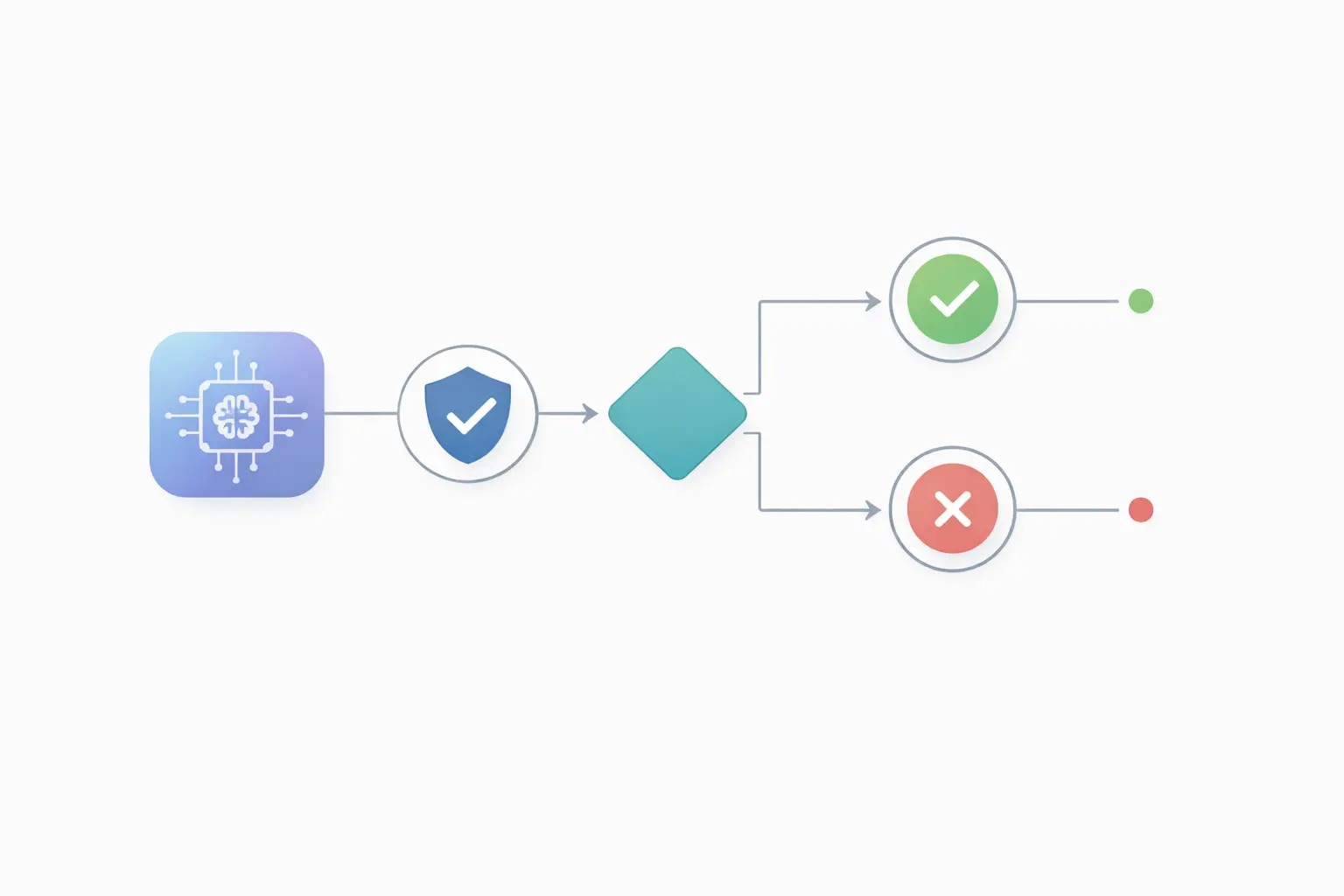
The Link Between Governance and Business Value
Here’s the key point many miss:
Good governance increases AI value.
When governance is strong:
- Projects move faster
- Risks are reduced
- Results are more reliable
- Trust increases
This leads to better returns on AI investments.
Without governance, companies waste time and money on projects that never scale.
Real-World Impact of Weak Governance
You don’t need extreme examples to see the problem.
In many companies:
- AI tools are bought but rarely used
- Models are built but not trusted
- Teams work in silos
- Results are inconsistent
This is not a tech failure. It’s a governance failure.
How to Start Fixing AI Governance
You don’t need a massive overhaul to begin.
Start with these steps:
1. Define Ownership – AI Transformation Is a Problem of Governance
Decide who is responsible for AI strategy and decisions.
Make it clear across the company.
2. Set Simple Rules – AI Transformation Is a Problem of Governance
Create basic guidelines for:
- Data use
- Model deployment
- Risk handling
Keep them short and practical.
3. Build a Governance Team – AI Transformation Is a Problem of Governance
This doesn’t need to be large.
A small group can oversee:
- Policies
- Risks
- Alignment
4. Focus on High-Impact Areas – AI Transformation Is a Problem of Governance
Don’t try to govern everything at once.
Start with the most critical AI use cases.
5. Review and Improve – AI Transformation Is a Problem of Governance
Governance is not static.
Review it regularly and adjust as needed.
The Future of AI Depends on Governance
AI will continue to grow in every industry.
But the companies that succeed won’t be the ones with the most advanced models.
They will be the ones with the best governance.
They will:
- Make smarter decisions
- Manage risks better
- Scale faster
- Build trust with users
Why Governance Determines Long-Term AI Success
AI projects don’t fail overnight. They slowly lose direction when no one is guiding them properly. That’s why governance plays a critical role in long-term success. It ensures every AI decision connects back to business goals, not just short-term experiments. When governance is strong, companies don’t just launch AI projects, they sustain and improve them over time. They know what’s working, what needs fixing, and where to invest next. Without this structure, AI becomes a series of disconnected efforts that never fully deliver. This is exactly why AI transformation is a problem of governance, because only clear direction and accountability can turn AI from an idea into real, lasting impact.
Final Thoughts – AI Transformation Is a Problem of Governance
AI transformation is often seen as a technology challenge.
That’s a mistake.
AI transformation is a problem of governance.
Without clear leadership, rules, and accountability, AI efforts will struggle no matter how advanced the technology is.
If you want real results from AI, don’t start with tools.
AI Transformation Is a Problem of Governance, Start with governance.
Frequently Asked Questions (FAQs) – AI Transformation Is a Problem of Governance
What does “AI transformation is a problem of governance” mean?
It means the success of AI depends more on leadership, rules, and accountability than on technology itself. Without proper governance, AI projects fail to deliver real value.
Why is AI transformation considered a governance problem?
AI affects decisions, data usage, and risk management across the business. These areas require clear control and direction, which falls under governance, not just technology.
What happens if AI governance is weak?
Weak governance leads to poor decisions, data misuse, lack of accountability, and failed AI projects. It also increases risks like bias, security issues, and compliance problems.
How does governance impact AI success?
Strong governance ensures AI is used correctly, risks are managed, and goals are aligned. This leads to better performance, faster scaling, and higher returns on AI investments.
Who should be responsible for AI governance in a company?
A senior leader or dedicated role like a Chief AI Officer should take ownership. Clear responsibility ensures better decision-making and accountability.
What are the key elements of AI governance?
The main elements include clear leadership, defined policies, risk management, cross-team alignment, and continuous monitoring of AI systems.
Can AI transformation succeed without governance?
No. Without governance, AI projects often become disorganized, risky, and ineffective. Governance is essential for long-term success.
How can companies improve AI governance?
Companies can start by defining ownership, setting simple rules, creating a small governance team, and regularly reviewing AI performance and risks.
Is AI governance only about compliance?
No. While compliance is important, governance also focuses on improving efficiency, reducing risks, and maximizing business value from AI.
Why do many AI projects fail despite advanced technology?
Most failures happen because of poor governance, not weak technology. Without proper direction and control, even advanced AI tools cannot deliver results.
How does AI governance help reduce risks?
It sets clear rules for data use, monitors AI behavior, and ensures accountability. This helps prevent bias, errors, and security issues.
What role does data play in AI governance?
Data is central to AI. Governance ensures data is accurate, secure, and used responsibly, which directly impacts AI performance.
How does AI governance improve business value?
It aligns AI projects with business goals, reduces waste, and ensures reliable outcomes. This leads to better ROI and long-term growth.
What is the first step in AI governance?
The first step is defining clear ownership. Without someone responsible, governance efforts will not be effective.
Why is AI governance important for scaling AI projects?
Governance provides structure and consistency, making it easier to expand AI across departments without confusion or risk.