A Clear Reason Behind Capabilisense
There’s a simple idea at the core of why I’m building Capabilisense: most systems today collect data, but very few actually understand capability.
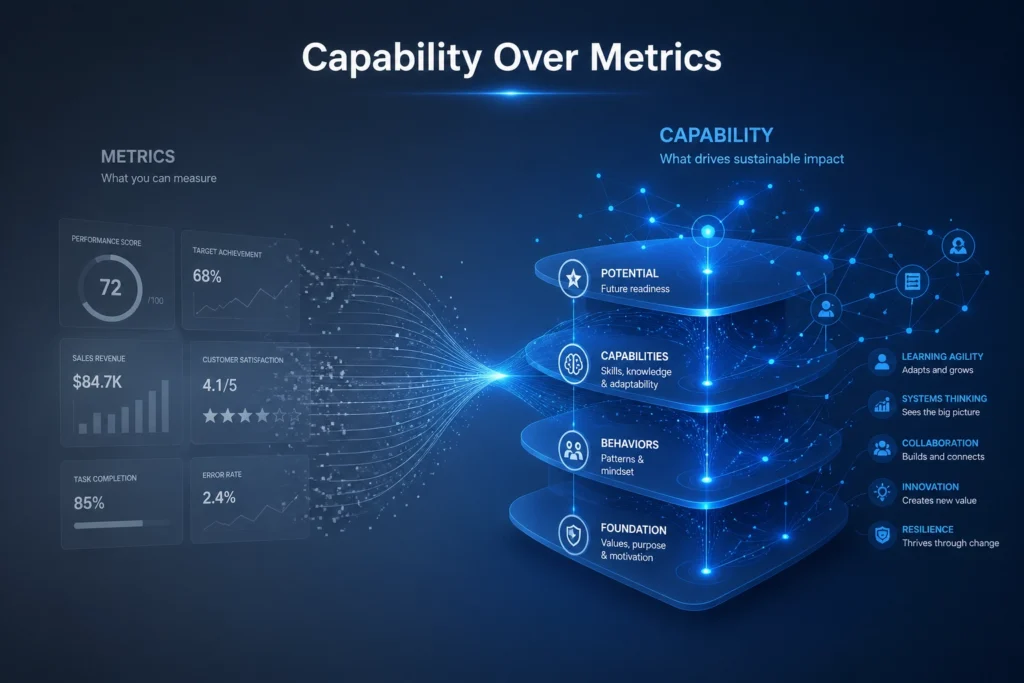
We track numbers, clicks, and actions. But we rarely measure what someone can actually do.
That gap matters more than people realize.
Capabilisense is built to close that gap. It focuses on capability instead of surface-level metrics. And that shift changes everything.
The Problem With Current Systems
Most platforms today are built around outputs.
- Scores
- Likes
- Rankings
- Completion rates
These numbers look clean, but they don’t tell the full story.
Someone can score high and still lack real understanding.
Someone can perform poorly and still have strong potential.
That disconnect is exactly why I’m building Capabilisense.
Because measuring outcomes without understanding capability leads to bad decisions.
What “Capability” Really Means
Before going deeper into why I’m building Capabilisense, it’s important to define capability.
Capability is not just performance.
It includes:
- Skill depth
- Adaptability
- Learning speed
- Problem-solving ability
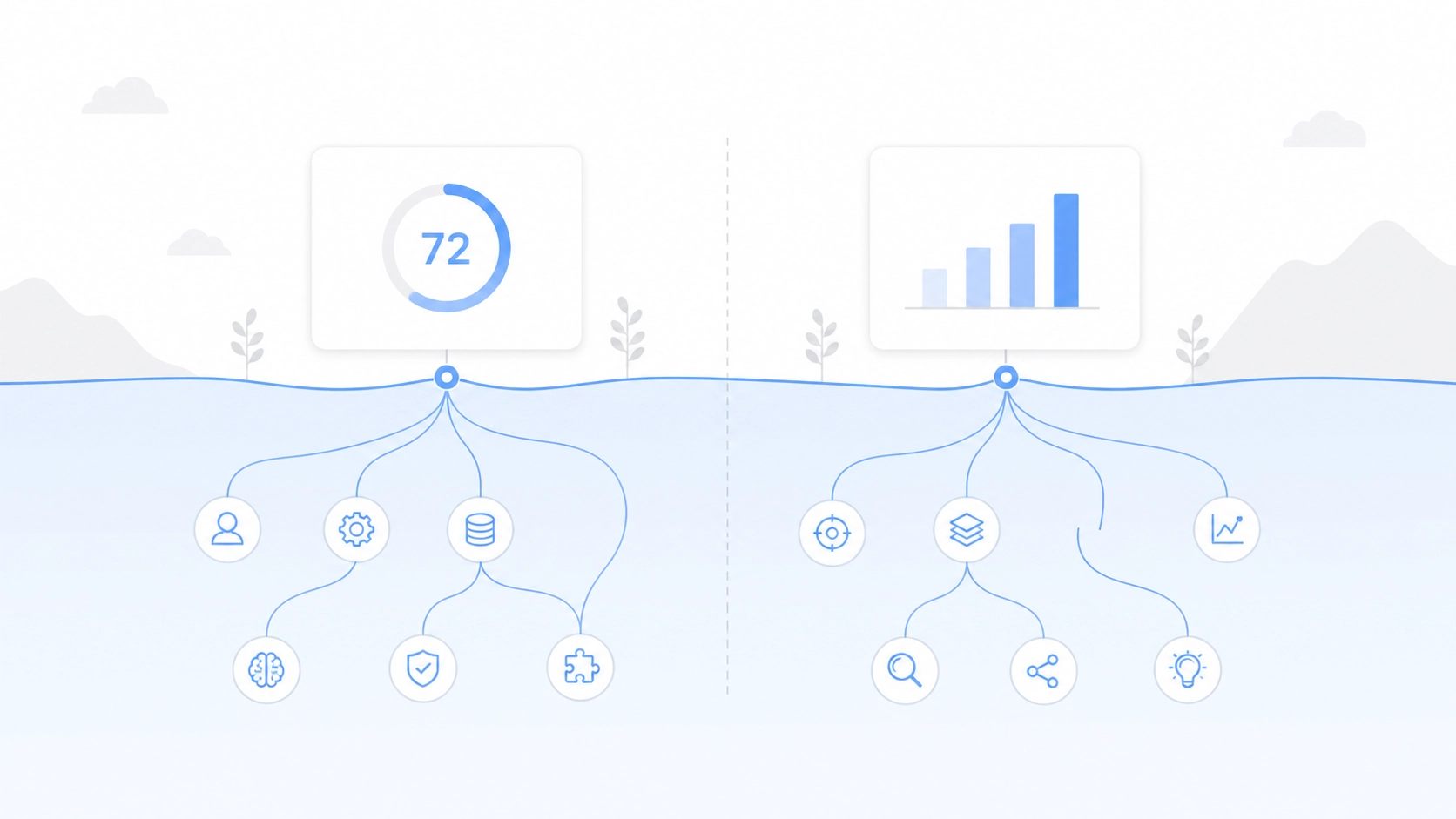
Two people can produce the same result but have completely different capabilities behind it.
Most systems ignore this difference. Capabilisense is designed to highlight it.
The Gap That Needs Fixing
Here’s the real issue.
We are making decisions about people, systems, and performance using incomplete signals.
That leads to:
- Hiring the wrong people
- Misjudging talent
- Poor training decisions
- Weak long-term outcomes
This isn’t a small flaw. It’s a structural problem.
And that problem is the main reason behind why I’m building Capabilisense.
The Vision Behind Capabilisense
Capabilisense is not just another tool.
It’s a shift in how we evaluate ability.
Instead of asking:
“What did you achieve?”
It asks:
“What are you capable of achieving?”
That difference matters because capability predicts future performance far better than past results alone.
Why Existing Solutions Fall Short
There are already many platforms trying to measure performance.
But they fail for a few key reasons:
1. They focus on static data
Most systems take a snapshot. Capability is dynamic.
2. They ignore context
Performance changes based on environment, tools, and pressure.
3. They reward short-term outcomes
Real capability builds over time, not in isolated events.
4. They oversimplify humans
People are complex. Reducing them to a number creates blind spots.
These limitations are exactly why I’m building Capabilisense differently.
A Better Way to Measure Ability
Capabilisense is built around a simple principle:
Understand patterns, not just results.
Instead of only looking at outcomes, it tracks:
- How decisions are made
- How problems are approached
- How performance evolves over time
This creates a much clearer picture of true capability.
Why This Matters Right Now
Timing is important.
We’re entering a phase where:
- Skills are changing fast
- Traditional credentials are losing value
- Real ability matters more than ever
In this environment, old measurement systems break down.
That’s another key reason behind why I’m building Capabilisense.
We need better tools for a changing world.
The Real Impact of Better Capability Insight
If we get this right, the impact is huge.
For individuals
People get recognized for what they can actually do, not just what they’ve done.
For businesses
Better hiring, better training, better results.
For systems
Smarter decisions based on real signals, not noise.
Capabilisense is designed to unlock this level of clarity.
The Thinking Process Behind Capabilisense
This didn’t come from theory alone.
It came from observing patterns:
- People being underestimated
- High performers failing in new environments
- Systems rewarding the wrong behaviors
Over time, one idea became clear:
We are measuring the wrong things.
That realization led directly to why I’m building Capabilisense.
What Makes Capabilisense Different
Capabilisense is not trying to compete on features.
It’s built on a different foundation.
1. Capability-first approach
Everything starts with understanding ability.
2. Continuous evaluation
No static scores. Capability evolves.
3. Context-aware insights
Performance is analyzed within real conditions.
4. Focus on growth
Not just where you are, but where you’re going.
This is what sets it apart.
Challenges Along the Way
Building something like this isn’t simple.
There are real challenges:
- Defining capability in measurable ways
- Avoiding bias in evaluation
- Keeping the system practical, not theoretical
But these challenges are worth solving.
Because the alternative is staying stuck with broken systems.
Why I’m Committed to This
There are easier things to build.
Tools that follow trends. Platforms that copy existing ideas.
Capabilisense is not that.
The reason why I’m building Capabilisense comes down to one thing:
It solves a real problem that most people overlook.
And once you see that problem clearly, it’s hard to ignore it.
The Long-Term Goal
This is not a short-term project.
The long-term goal is simple:
Create a system where capability is understood, valued, and used correctly.
That means:
- Better opportunities for the right people
- Smarter decisions across industries
- More accurate understanding of human potential
Capabilisense is a step toward that future.
Final Thoughts
At its core, why I’m building Capabilisense is not about technology.
It’s about clarity.
Right now, we’re making important decisions with incomplete information.
Capabilisense aims to fix that by focusing on what actually matters: capability.
Not just what you’ve done.
But what you can truly do.
And once you start measuring that, everything changes.
FAQ: Why I’m Building Capabilisense
What is Capabilisense?
Capabilisense is a system designed to measure real capability instead of just surface-level results. It focuses on understanding what a person can actually do, not just what they have already achieved.
Why am I building Capabilisense?
The main reason behind why I’m building Capabilisense is the failure of current systems to measure true ability. Most platforms focus on scores and outcomes, while ignoring deeper capability, which leads to poor decisions.
How is Capabilisense different from traditional performance tools?
Traditional tools measure outputs like scores or rankings. Capabilisense goes deeper by analyzing patterns, decision-making, and adaptability, giving a more accurate view of capability.
What problem does Capabilisense solve?
Capabilisense solves the problem of incomplete evaluation. It helps avoid misjudging talent, hiring the wrong people, and making decisions based on weak signals instead of real ability.
Who can benefit from Capabilisense?
Capabilisense can benefit individuals, businesses, educators, and organizations that need a better way to evaluate skills, potential, and performance.
Does Capabilisense replace traditional metrics?
No, Capabilisense does not fully replace traditional metrics. It improves them by adding deeper insight into capability, making evaluations more accurate and useful.
How does Capabilisense measure capability?
Capabilisense measures capability by tracking how people think, solve problems, and improve over time, instead of only focusing on final results.
Why is measuring capability important today?
Measuring capability is critical because skills are evolving fast, and traditional qualifications are becoming less reliable. This is a key reason behind why I’m building Capabilisense.
Can Capabilisense help in hiring decisions?
Yes, Capabilisense can improve hiring by identifying real potential instead of relying only on resumes, past results, or static scores.
Is Capabilisense useful for personal growth?
Yes, individuals can use Capabilisense to understand their strengths, improve weaknesses, and track real progress over time.
What industries can use Capabilisense?
Capabilisense can be applied across multiple industries, including tech, education, business, and any field where understanding capability matters.
Is Capabilisense based on data or assumptions?
Capabilisense is based on data, but it focuses on meaningful patterns rather than raw numbers, making the insights more reliable.
What is the long-term goal of Capabilisense?
The long-term goal is to create a system where capability is clearly understood and used to make better decisions across industries.
Why do current systems fail to measure true ability?
Most systems fail because they focus on short-term outcomes and ignore context, growth, and deeper skill patterns. That gap is the core reason behind why I’m building Capabilisense.
How will Capabilisense change decision-making?
Capabilisense will improve decision-making by providing a clearer picture of real ability, helping individuals and organizations make smarter, more informed choices.