
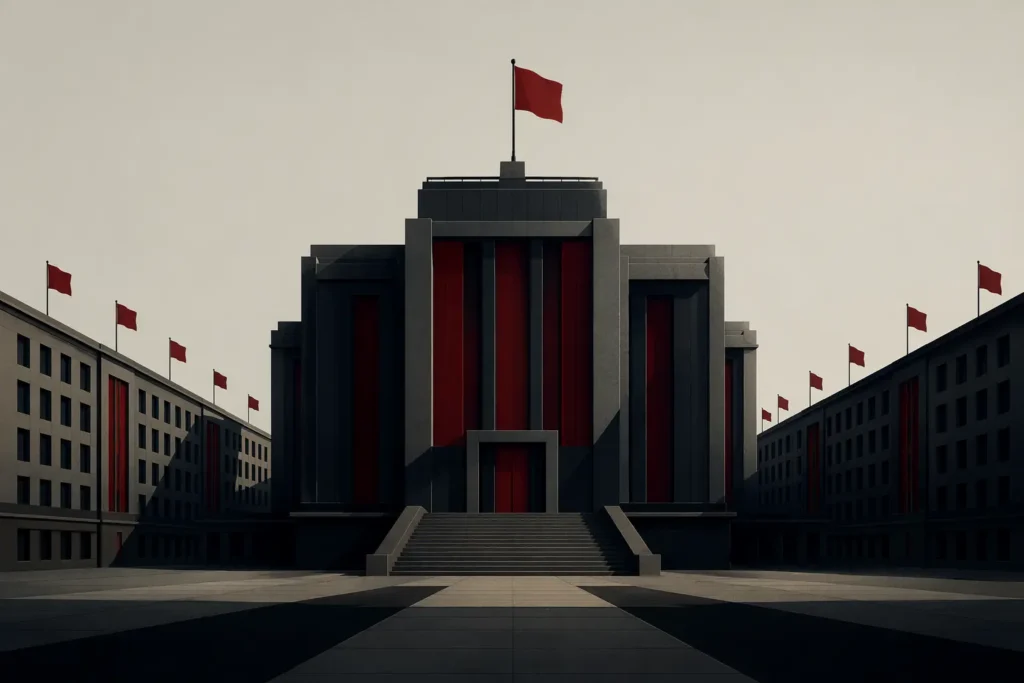
What Does “Fascisterne” Mean?
The word fascisterne comes from Danish and translates to “the fascists” in English. It refers to people or groups who follow or support Fascism, a system of government built on strict control, strong nationalism, and limited personal freedom.
At first glance, fascisterne might sound like just a historical term. But that assumption misses something important. The ideas behind fascisterne still show up in modern politics, often in more subtle forms.
Understanding fascisterne is not just about the past. It helps you recognize patterns that can repeat.
The Origins of Fascisterne
The concept of fascisterne began in early 20th-century Europe. It grew during a time of economic chaos, political instability, and public frustration after World War I.
The first major fascist movement was led by Benito Mussolini in Italy. Mussolini formed a political system where the state had total authority and opposition was not tolerated.
Soon after, similar ideas spread to Germany under Adolf Hitler, leading to one of the darkest periods in human history.
These leaders and their followers are classic examples of fascisterne.
Core Beliefs of Fascisterne
To understand fascisterne clearly, you need to break down what they believe. While different groups had variations, most shared a common set of ideas:
1. Absolute Authority
Fascisterne support a strong central leader with near-total control. Democracy is seen as weak or inefficient.
2. Extreme Nationalism
They believe their nation is superior and must be protected at all costs. This often leads to hostility toward outsiders.
3. Suppression of Opposition
Criticism is not allowed. Media, political rivals, and even ordinary citizens can be silenced.
4. Control Over Society
Fascisterne favor tight control over education, culture, and the economy to align everything with state goals.
5. Use of Fear and Propaganda
They rely heavily on messaging and fear tactics to maintain power and shape public opinion.
How Fascisterne Gained Power
Fascisterne did not rise overnight. Their growth followed a pattern that is worth paying attention to.
After World War I, many countries faced economic collapse and political confusion. People wanted stability and quick solutions.
Fascist leaders promised:
- Strong leadership
- Economic recovery
- National pride
Those promises attracted large support. But once in power, fascisterne often removed freedoms instead of protecting them.
This raises an uncomfortable question: were people fully aware of what they were supporting, or were they reacting emotionally to crisis?
Fascisterne in Nazi Germany
The most extreme example of fascisterne can be seen in Nazi Germany.
Under Adolf Hitler, fascist ideology turned into a system of racial control and mass violence. The regime led to World War II and the The Holocaust.
Millions of people were killed based on race, religion, or political beliefs.
This is where the idea of fascisterne moves from theory to real-world consequences. It shows what happens when power is unchecked.
Are Fascisterne Only Part of History?
It would be easy to say fascisterne belong only to the past. But that’s not entirely true.
Modern politics still sees movements that echo fascist ideas, even if they don’t openly use the label. These can include:
- Leaders demanding total loyalty
- Attacks on media and free speech
- Blaming minorities for national problems
- Promoting aggressive nationalism
The key difference is that today, these ideas often appear in softer or more hidden forms.
So the better question is not “Do fascisterne exist today?” but “Can similar patterns still emerge?”
Fascism vs Democracy: A Clear Contrast
To understand fascisterne better, compare fascism with democracy.
| Feature | Fascisterne (Fascism) | Democracy |
|---|---|---|
| Leadership | One strong leader | Elected leaders |
| Freedom | Limited | Protected |
| Media | Controlled | Independent |
| Opposition | Suppressed | Allowed |
| Power | Centralized | Shared |
This contrast makes one thing clear: fascisterne thrive where checks and balances are weak.
Why People Still Study Fascisterne
The topic of fascisterne is widely studied in Political Science and history for a reason.
It offers lessons about:
- How power can be abused
- How fear influences decisions
- How societies respond to crisis
Ignoring these lessons makes it easier for similar systems to grow again.

Common Misunderstandings About Fascisterne
“Fascisterne only existed in the 1900s”
Not accurate. The ideology still influences some modern political movements.
“It can’t happen again”
History suggests otherwise. Similar conditions can lead to similar outcomes.
“Fascism is obvious”
Not always. It can start with small changes that seem harmless at first.
Warning Signs Linked to Fascisterne
If you want to recognize early signs, look for patterns rather than labels.
- Leaders rejecting democratic rules
- Increased censorship
- Use of fear to unite people
- Focus on a single national identity
- Reduction of civil rights
These signs do not always mean fascisterne are present, but they should raise questions.
The Real Impact of Fascisterne
The impact of fascisterne is not abstract. It has shaped global history in major ways:
- Triggered large-scale wars
- Destroyed democratic systems
- Caused mass human suffering
This is why the topic still matters. It is not just about definitions. It is about consequences.
Final Thoughts
Fascisterne are more than a historical label. They represent a way of thinking that prioritizes control over freedom and power over accountability.
The uncomfortable truth is that fascisterne did not rise in isolation. They were supported by ordinary people during difficult times.
That raises a critical point: the conditions that allowed fascisterne to grow in the past can appear again.
Understanding this topic is not about fear. It is about awareness.
FAQs
What does fascisterne mean?
Fascisterne means “the fascists” and refers to people who support or follow Fascism, a system based on strong control and limited freedom.
Where did fascisterne originate?
The idea of fascisterne started in Italy under Benito Mussolini in the early 20th century.
What are the main beliefs of fascisterne?
They support a strong leader, strict national identity, limited opposition, and control over society and media.
Are fascisterne only part of history?
No, similar ideas can still appear today, though often in less obvious ways.
How did fascisterne gain power in the past?
They gained support during times of crisis by promising stability, economic recovery, and national strength.
Why is fascisterne still studied today?
It helps people understand how power can be misused and how societies can prevent similar systems from rising again.
What is the difference between fascisterne and democracy?
Fascisterne support centralized control, while democracy focuses on shared power, elections, and individual rights.
What are early warning signs related to fascisterne?
Signs can include reduced freedom of speech, strong control by leaders, and growing pressure on opposition voices.