
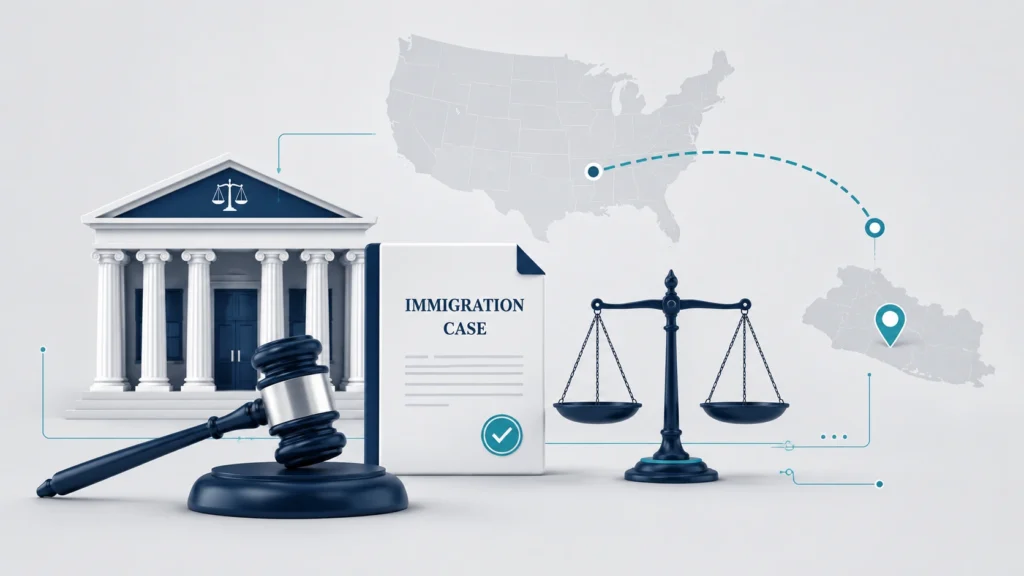
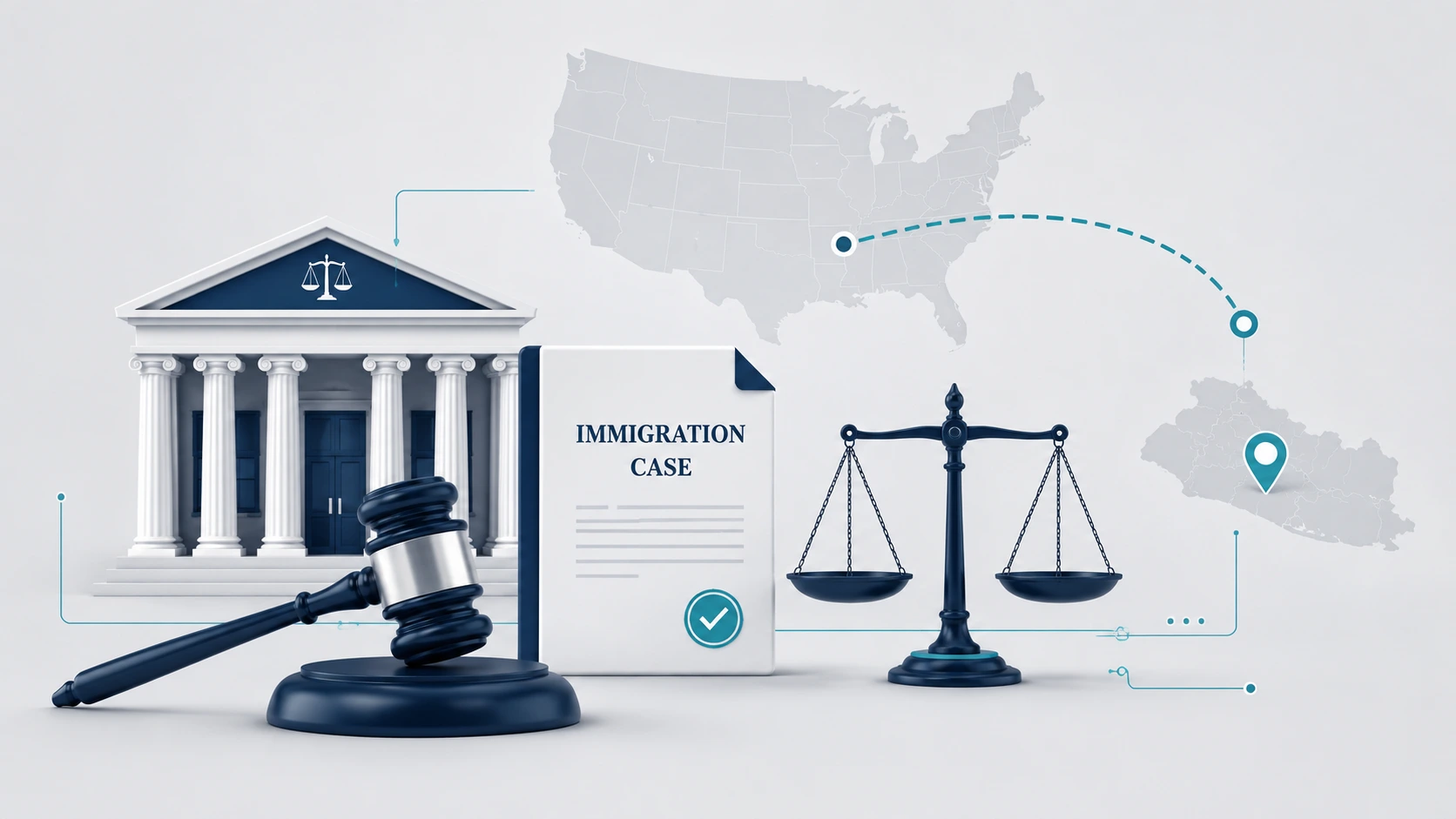
The name Kilmar Armando Ábrego García became widely known after a deportation case that sparked legal and political debate in the United States. His story is about immigration, court decisions, government actions, and the rights of people facing removal from the country.
Many people have heard his name in the news but still wonder what actually happened. Why was he deported? Why did courts become involved? Why is his case still being discussed?
This guide explains everything in simple language. It covers the background of Kilmar Armando Ábrego García, the events that led to his deportation, the legal fight that followed, and why the case matters.
Who Is Kilmar Armando Ábrego García?
Kilmar Armando Ábrego García is a Salvadoran man who lived in the United States for several years. He entered the country without legal immigration status while seeking safety from gang violence in El Salvador.
Over time, he built a life in the United States with his family. According to court records, he worked, supported his household, and remained in the country while going through immigration proceedings.
His case stayed mostly unknown until 2025, when a deportation carried out by U.S. immigration authorities became national news.
Why Did Kilmar Armando Ábrego García Become Famous?
The case gained public attention because government officials later admitted that his removal from the United States happened because of an administrative error.
Normally, immigration cases follow a long legal process. In this situation, a previous immigration court order had protected Kilmar Armando Ábrego García from being removed to El Salvador because of concerns about possible danger if he returned.
Despite that protection, he was deported.
Once officials acknowledged the mistake, courts began reviewing what should happen next. The case quickly became one of the most closely watched immigration stories in the country.
Early Life and Background
Kilmar Armando Ábrego García was born in El Salvador.
Like many people who leave the country, he reportedly fled because of violence and threats from criminal gangs. During immigration proceedings, he argued that returning to El Salvador could place him at serious risk.
His immigration case eventually reached a judge who reviewed the available evidence.
Instead of ordering immediate removal, the immigration court granted protection that prevented his deportation to El Salvador under existing immigration law.
That court decision became one of the most important parts of the legal dispute years later.
What Protection Did He Receive?
One question many readers ask is why Kilmar Armando Ábrego García was allowed to stay in the United States.
The answer is simple.
Although he did not receive permanent legal status, an immigration judge determined that he should not be removed to El Salvador because of concerns that he could face persecution or harm.
This type of protection does not automatically lead to U.S. citizenship or a green card.
Instead, it limits where immigration authorities can legally deport someone.
That protection remained in place before the events that made national headlines.
The Deportation That Changed Everything
In 2025, U.S. immigration authorities deported Kilmar Armando Ábrego García to El Salvador.
Soon afterward, government lawyers informed the court that the deportation should not have happened.
Officials described the removal as an administrative mistake because the earlier immigration protection order had not been properly followed.
That admission immediately raised several legal questions.
Among them were:
- Did the government violate a court order?
- Could the mistake be corrected?
- Was the government required to help bring him back?
- What rights does someone have after an unlawful removal?
These questions soon reached federal courts.
Why Did the Courts Become Involved?
Federal judges reviewed whether the government had acted lawfully.
The courts examined previous immigration rulings, government actions, and constitutional issues involving due process.
Several judges expressed concern that an existing court order protecting Kilmar Armando Ábrego García had not been followed before his removal.
As the legal battle continued, courts ordered the government to explain its actions and describe what steps it was taking after acknowledging the mistake.
The case attracted attention because it raised broader questions about government accountability in immigration enforcement.
The Government’s Position
Government officials agreed that the deportation occurred because of an administrative error.
However, legal arguments continued over what responsibilities remained after Kilmar Armando Ábrego García had already been removed from the United States.
Officials argued that bringing someone back after removal involved legal, diplomatic, and international issues.
Government lawyers also presented different arguments throughout various stages of the court proceedings regarding what actions could realistically be taken.
Those arguments became a major part of the ongoing litigation.
Why This Case Matters Beyond One Person
The story of Kilmar Armando Ábrego García is about much more than one individual.
Legal experts say the case raises important questions about:
- Following court orders
- Immigration enforcement procedures
- Government accountability
- Due process rights
- Judicial oversight of executive agencies
Because of these issues, lawyers, judges, immigration advocates, and policy experts have closely followed every new development.
Many believe future immigration cases could reference the legal principles discussed during this dispute.
Public Reaction
The case quickly became part of a national conversation.
Some people argued that government agencies should immediately correct mistakes involving deportations.
Others focused on broader immigration enforcement policies and national security concerns.
Civil rights organizations called for stronger protections to prevent similar administrative errors in the future.
Meanwhile, political leaders offered sharply different opinions about how immigration laws should be enforced and what responsibilities the government has after acknowledging an error.
These different viewpoints helped keep the case in national headlines.