
Hezbollah Israel Conflict: Why the Fighting Keeps Returning
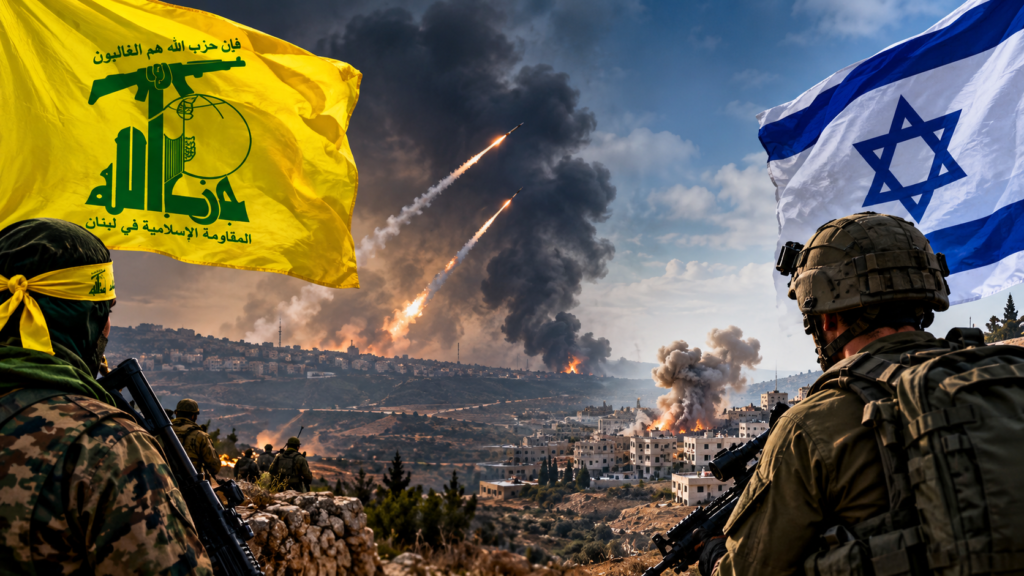
The Hezbollah Israel conflict is one of the most dangerous and complicated confrontations in the Middle East. What may appear to be a conflict along a relatively small stretch of land between Israel and Lebanon is actually connected to a much larger regional struggle involving Iran, Lebanon, Palestinian territories, Syria, and broader international powers.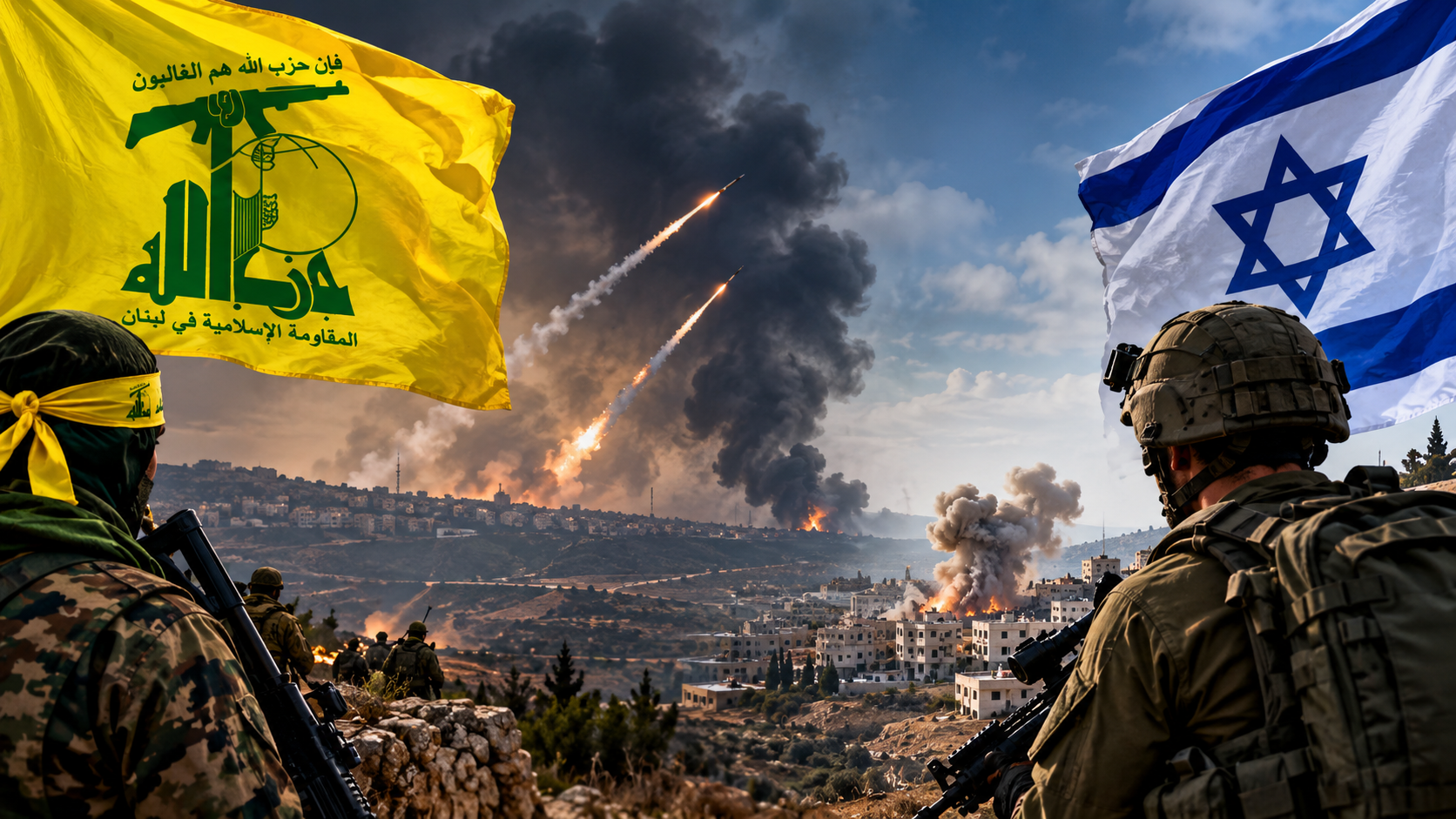
For decades, the relationship between Israel and Hezbollah has been shaped by war, retaliation, political disputes, military operations, and failed attempts to establish lasting security. Whenever violence decreases, the underlying disagreements often remain unresolved. That is why the Hezbollah Israel conflict can suddenly become intense again after periods of relative calm.
How Did the Conflict Begin?
Hezbollah emerged in Lebanon during the 1980s, following Israel’s invasion of Lebanon in 1982. The organization developed as an armed movement opposing Israeli military presence in Lebanon and eventually became one of the country’s most powerful political and military organizations.
Israel has long viewed Hezbollah as a serious security threat because of its large arsenal of rockets and missiles, armed forces, and close relationship with Iran. Hezbollah, meanwhile, has presented itself as a resistance movement against Israel.
The result has been a relationship dominated by deep distrust.
One of the most important turning points came in 2006, when Israel and Hezbollah fought a major war. The conflict lasted about a month and caused extensive destruction and civilian casualties in Lebanon. Although a ceasefire eventually ended the fighting, the war did not resolve the fundamental issues between the two sides.
Instead, both sides continued preparing for the possibility of another confrontation.
Why Is Southern Lebanon So Important?
Southern Lebanon has become one of the central geographical points in the Hezbollah Israel conflict.
The region lies close to Israel’s northern border, making it strategically important for both sides. Hezbollah has maintained military infrastructure in parts of southern Lebanon, while Israel argues that armed Hezbollah forces and weapons should not operate close to its territory.
For Israel, the priority is preventing attacks and rocket or missile launches from areas near its northern communities.
For Hezbollah, maintaining the ability to operate near the border is part of its military strategy and its claim that it is defending Lebanon against Israel.
This creates a dangerous cycle: Hezbollah wants to preserve its military capabilities, while Israel wants to eliminate or push those capabilities farther away from its border.
The Conflict Is Bigger Than Israel and Hezbollah
Although the name Hezbollah Israel conflict describes the immediate confrontation, the story extends far beyond these two sides.
Hezbollah receives significant political, financial, and military support from Iran. Tehran considers Hezbollah an important part of its regional network of allies and armed groups.
Israel, meanwhile, has strong military and diplomatic relationships with the United States and other Western countries.
This means that an escalation between Israel and Hezbollah can quickly become part of a much larger regional crisis.
The danger is particularly serious when fighting occurs alongside other conflicts in the Middle East. A single attack can lead to retaliation, which can lead to another attack, creating a chain reaction that becomes increasingly difficult to stop.
Why Does Fighting Keep Returning?
One of the biggest questions surrounding the Hezbollah Israel conflict is why the two sides have struggled to achieve lasting peace.
The answer is that several fundamental disputes remain unresolved.
Israel wants stronger security guarantees and wants Hezbollah’s military capabilities reduced or removed from areas close to its border.
Hezbollah argues that it needs its weapons and military strength because Israel remains a threat. It also links its position to broader regional issues, including the Palestinian conflict and Israeli military actions.
Lebanon faces an additional problem. The Lebanese government officially represents the country, but Hezbollah possesses military capabilities that operate independently of the Lebanese state’s conventional armed forces.
This creates a complicated situation in which Lebanon can become involved in a conflict even when the entire Lebanese population does not support another war.
The Human Cost
Behind the military maps and political speeches are ordinary people.
When fighting intensifies, civilians in southern Lebanon and northern Israel can be forced to leave their homes. Airstrikes, rocket attacks, damaged roads, destroyed buildings, and disrupted schools can transform communities almost overnight.
Lebanon has already experienced enormous destruction during previous wars. Another major confrontation could place additional pressure on a country that has faced serious economic and political difficulties.
Israeli communities near the Lebanese border also face the fear of rocket attacks, drone attacks, and infiltration. For families living close to the border, military tension is not an abstract political issue—it can affect whether children attend school, whether businesses remain open, and whether families can safely remain in their homes.
The Risk of a Wider Middle East War
Perhaps the greatest concern surrounding the Hezbollah Israel conflict is the possibility of escalation.
If Israel launches a large-scale military campaign against Hezbollah, Hezbollah could respond with rockets, missiles, and drones. Israel could then expand its attacks. Iran could become more directly involved, while other armed groups in the region could also enter the confrontation.
That could transform a conflict centered on the Israel-Lebanon border into a much wider Middle Eastern war.
International governments therefore have strong reasons to encourage restraint. The United States, European countries, Arab states, and the United Nations have repeatedly supported diplomatic efforts aimed at reducing violence and strengthening Lebanon’s state institutions.
But diplomacy becomes extremely difficult when both sides believe that military strength is necessary for their survival.
What Happens Next?
The future of the Hezbollah Israel conflict is uncertain.
A temporary ceasefire can reduce violence, but a ceasefire alone does not necessarily solve the political and security disputes underneath the conflict. A more durable solution would require difficult negotiations over weapons, border security, Israeli military positions, Lebanese sovereignty, and the role of Hezbollah.
That is an enormous diplomatic challenge.
The most important question is therefore not simply whether the next attack will happen. It is whether Israel, Hezbollah, Lebanon, Iran, and international mediators can eventually create conditions in which another major war becomes less likely.
Conclusion
The Hezbollah Israel conflict is not simply a border dispute. It is the product of decades of war, political rivalry, competing security interests, regional alliances, and unresolved grievances.
For Israel, Hezbollah represents a major security threat. For Hezbollah, confrontation with Israel remains central to its identity and military strategy. For Lebanon, the conflict creates enormous risks for a country already struggling with political and economic challenges.
The tragedy is that civilians have the most to lose if the cycle continues.
A lasting solution will require more than military victories. It will require diplomacy, credible security arrangements, stronger state institutions, and political decisions that address the reasons the conflict continues to return.
Until those deeper issues are confronted, the Hezbollah Israel conflict will remain one of the most dangerous flashpoints in the Middle East—and the possibility of another escalation will continue to worry the world.